
The Rise of Interactive Experiences in Family Entertainment
Interactive worlds, light-filled rooms, and hands-on activities are replacing sit-and-watch outings with family entertainment when you step inside together.
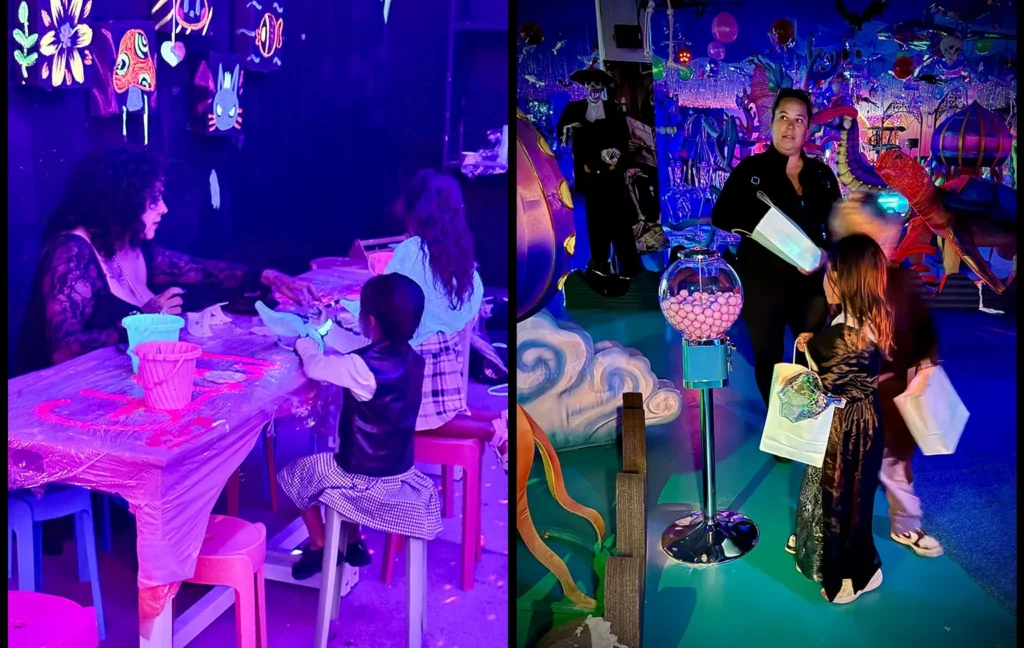
Why Family Entertainment Is Changing
For a long time, a family day out meant sitting side by side and watching something – a movie, a show, a game. Everyone faced the same direction, and the entertainment happened in front of you. It was fun, but it was passive.
That is changing fast. More families now want entertainment they can step inside and take part in, and a growing number of attractions have answered by building immersive experiences and events – glowing light tunnels, interactive projections, and themed worlds you walk through together. The immersive entertainment market has grown quickly over the last few years, and these attractions are no longer rare, big-city novelties. They are becoming a mainstream choice for family entertainment.
This guide explains what an immersive experience actually is, why families are choosing them, and what to look for before you book.

What Is an Immersive Experience?
An immersive experience is an attraction you step into and interact with, rather than simply sit and watch. Instead of a screen or a stage, the environment surrounds you – through light, sound, projection, texture, and space you can move through and respond to. The goal is to make you feel part of the scene, not an audience member looking at it.
That covers a wide range, from gentle, wonder-filled light experiences the whole family can enjoy, to seasonal walk-through attractions like an immersive haunted house or winter wonderland. What they share is simple: you do something, and the space reacts.
Immersive Experiences vs. Traditional Family Entertainment
If you are weighing up where to take the family, here is where the two formats part ways.
| Feature | Traditional Entertainment | Immersive Experience |
|---|---|---|
| Visitor role | Mainly watches | Takes part and explores |
| Format | Fixed seat or fixed screen | Walk-through, move at your own pace |
| Engagement | Passive viewing | Interactive – touch, movement, choices |
| Age range | Often suits one age group | Works for mixed ages at once |
| Memorability | Fades quickly | Hands-on moments stick |
| Shareability | Limited | Built for photos and video |
Why Are Immersive Experiences Becoming So Popular with Families?
They turn watching into doing

One outing works for every age
They are an antidote to screen time
They are genuinely memorable - and shareable
What You’ll Find Inside a Family Immersive Experience
Every attraction is built differently, but most family immersive experiences share a familiar set of pieces:
- Themed environments – several separate worlds or rooms, each with its own lighting, sound, and design, instead of one plain space.
- Interactive elements – projections, light, and surfaces that respond to touch and movement.
- Hands-on activities – things to do between the main zones, from glow rooms to craft areas and games.
- Photo moments – purpose-built rooms and lit scenes made for group pictures.
- Live or seasonal entertainment – characters, shows, or themed events that change through the season.
- A path you control – you choose how long to spend in each area and what to explore next.
Are Immersive Experiences Suitable for All Ages?
Usually, yes – but the details matter. Family-focused light and art experiences are typically gentle and wonder-led, which makes them comfortable for young children. Seasonal attractions can be more intense, so it is always worth checking how an event describes itself before you book.
The best operators are upfront about this. They publish clear age guidance, describe the intensity of each area honestly, and keep higher-intensity zones optional and clearly marked, so parents can pick the level that fits their kids rather than committing the whole family to one setting.
What to Look for in a Family Immersive Experience
Run through this list before you book. Most good attractions publish this information openly, and that transparency usually says something about the experience itself.
- Interactivity – are there real activities and responsive elements, or is it a plain walk-through labeled as immersive?
- Age guidance – is there a recommended age range, and a gentler area for younger kids?
- Intensity – for seasonal events, is the scare or intensity level spelled out, and are intense zones optional?
- Duration – how long does a typical visit run? Look for a stated range, not a guess.
- What the ticket covers – are activities, shows, and photo areas included or charged separately?
- Practical details – hours, parking, accessibility, and re-entry, ideally all listed before you arrive.
The Future of Family Entertainment Is Immersive
Family entertainment has moved from watching to doing. The old model asked almost nothing of you – show up, sit down, watch, leave. Immersive experiences ask for the opposite: explore, touch, make choices, and spend real time inside the world that has been built for you.
That widens the audience, too. When an attraction is built in layers, it no longer has to choose between young kids and older guests – it can entertain both on the same night, at the same venue, for the same ticket. That is exactly why immersive experiences are becoming a standard choice for family entertainment rather than an occasional novelty.

Experience It for Yourself
Imaginarium 360 pulls all of it together into immersive experiences built for families. Themed, walk-through worlds. Interactive light and projection. Hands-on activities and photo moments the whole group can enjoy, with seasonal events across its Lakewood and Sacramento locations.
If you want your next family outing to be something you took part in – not just something you watched – an immersive experience is built for exactly that.